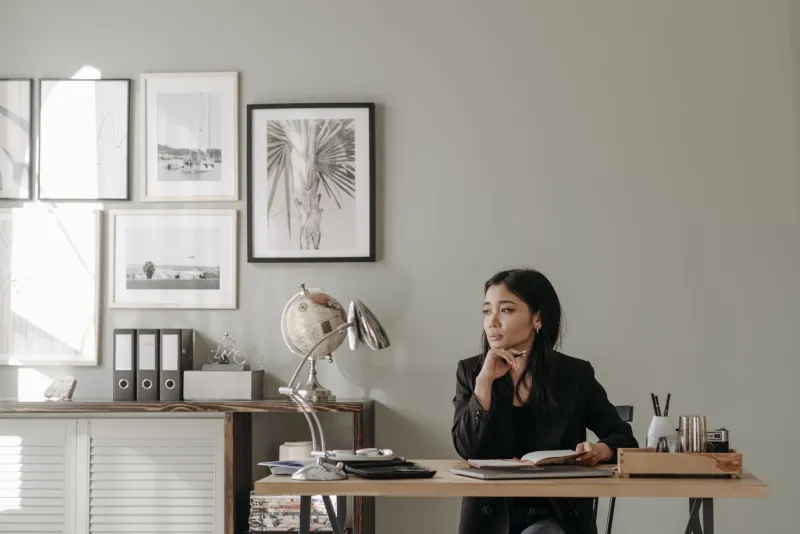
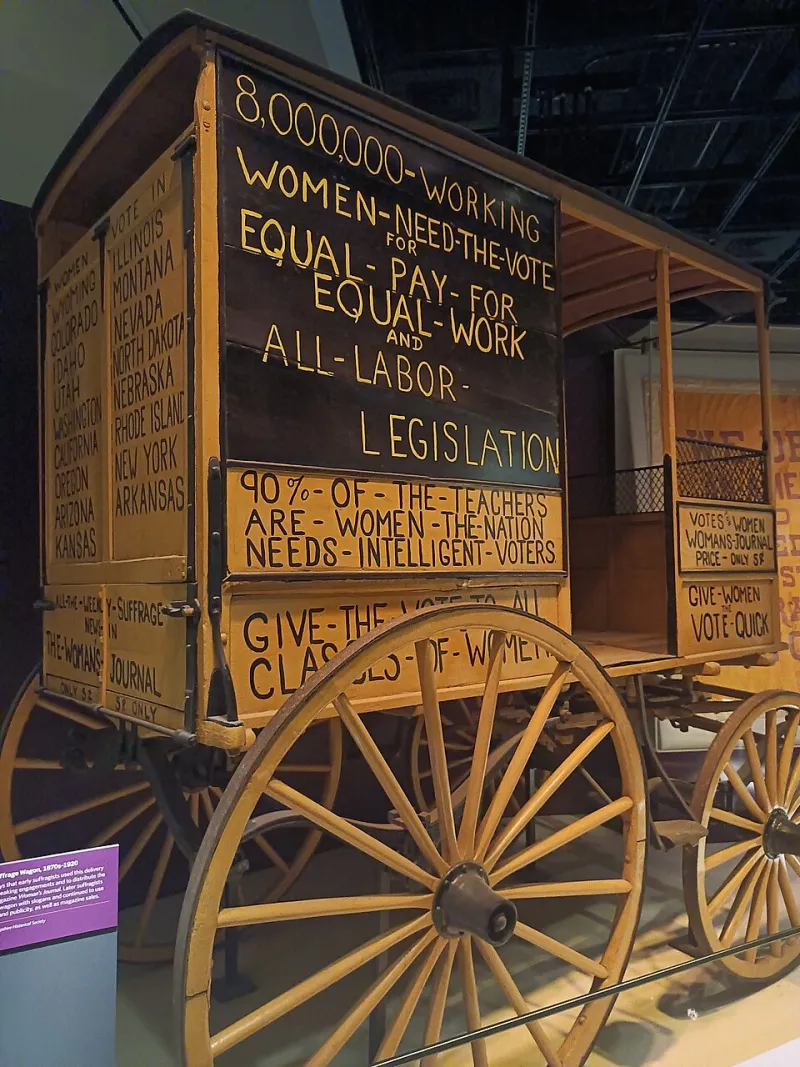
Growing Pains: How to Evolve Your Creative Work Without Losing the Audience You Built
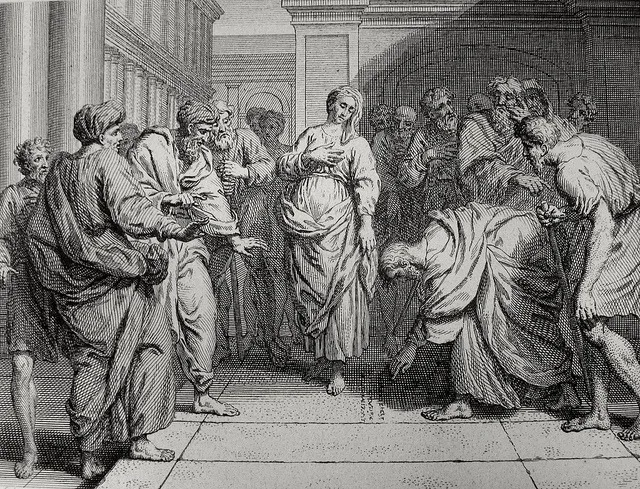
Photo: Phidev74, CC BY-SA 4.0, via Wikimedia Commons
Let's talk about the creative version of a relationship that's run its course.
You started making a certain kind of work. Maybe it was a specific aesthetic, a particular topic, a defined niche. People found you because of it. They subscribed, they followed, they showed up consistently. And for a while, everything felt great.
Then something shifted. Maybe slowly, maybe all at once — but the work you were making started to feel like a costume you'd outgrown. You wanted to try something different. Go deeper, go weirder, go somewhere new. And that's when the dread sets in, because you already know what's waiting for you in the comments: "This isn't why I followed you."
The creative pivot is one of the most genuinely difficult transitions in a public-facing career, and it almost never gets talked about honestly. So let's do that.
Why Audiences Resist Change (Even When They Love You)
Here's the uncomfortable truth about building an audience around a specific identity: you are, in a sense, making a promise. When someone hits follow, they're opting into a certain version of you. They've categorized you in their mental filing system. You're the minimalist fashion person, or the small business storyteller, or the film photographer who only shoots on the streets of New York.
When you change, it doesn't just surprise them — it retroactively messes with the reason they connected with you in the first place. That's why the pushback can feel so personal. It often is personal. Your audience built part of their own identity around what you made. Your evolution threatens their sense of order.
None of that means you shouldn't evolve. It just means you should understand what you're navigating before you walk into it.
The Mistake Most Creators Make
The most common approach to a creative pivot is also the most jarring: the sudden hard turn. One day you're posting lifestyle content, the next you're sharing experimental poetry with no explanation. Your audience opens the app, does a double take, and immediately wonders if they accidentally followed the wrong account.
This approach tends to generate one of two reactions: confused silence or outright backlash. Either way, it's not the foundation you want for a new creative chapter.
The opposite mistake is just as damaging, though. Staying in your lane forever because you're afraid of losing people. Slowly suffocating your own creative instincts to keep the metrics stable. That path leads to burnout, resentment, and work that feels increasingly hollow — which your audience will eventually feel, even if they can't name it.
The answer lives somewhere between those two extremes.
Testing the Water Before You Jump In
One of the smartest things you can do before a full pivot is run a low-stakes experiment. Give your new direction a small amount of real estate in your existing work — a slightly different format, a guest collaboration that hints at where you're headed, a behind-the-scenes post that shows you engaging with new ideas.
Watch what happens. Not just the numbers, but the quality of the response. Who engages? What do they say? Are there people in your current audience who are already curious about where you're going, who might actually come with you?
You'll almost always find a subset of your community that's more flexible and more interested in you as a creator than in the specific thing you've been making. Those are your early adopters for the next chapter. They're already there — you just have to find them.
Bring People Into the Process, Not Just the Product
One of the most underrated moves in a creative transition is narrating it in real time. Not oversharing, not making it dramatic — just being honest that you're in a period of exploration.
Something as simple as: "I've been feeling pulled toward something different lately, and I'm going to start experimenting with that here. Some of it will land, some of it won't, but I'd rather grow out loud than disappear and come back a different person."
This does a few things at once. It sets expectations so the shift doesn't feel like a bait-and-switch. It invites your audience into the creative process rather than just presenting them with finished outcomes. And it frames the evolution as something happening with them rather than to them.
People are generally more forgiving of change when they understand the human reasoning behind it. What they resist isn't change itself — it's being surprised by it.
Building the Creative Credibility to Take Risks
There's a reason established artists get more latitude for experimentation than newcomers do. They've built up what you might call creative credibility — a track record of delivering work that resonates, a demonstrated sense of taste, a history of showing up consistently.
If you're earlier in your career, the pivot is harder precisely because that credibility is still being established. The audience doesn't yet have enough evidence of your judgment to trust you when you go somewhere unexpected.
The good news: you can build it faster than you think. Consistency, quality, and genuine engagement over time create the kind of trust that survives a creative detour. If your audience believes in you as a person and a creator — not just in the specific thing you currently make — they'll follow you further than you expect.
That's actually the whole game, when you zoom out. The goal was never to be the person who makes one specific thing forever. The goal is to be someone whose creative instincts people trust enough to follow into new territory.
What You Might Lose — and Why That's Okay
Let's be honest about one more thing: some people won't come with you. They were there for the niche, not for you, and when the niche shifts, they'll quietly unfollow and move on. That's not failure. That's just the natural sorting that happens when you grow.
The audience you build on the other side of a genuine creative pivot is almost always more engaged, more aligned, and more invested in your actual work. Because they chose you knowing you were in motion. They didn't sign up for a static product — they signed up for a creative person who's still figuring it out.
That's a much better foundation for the long haul.