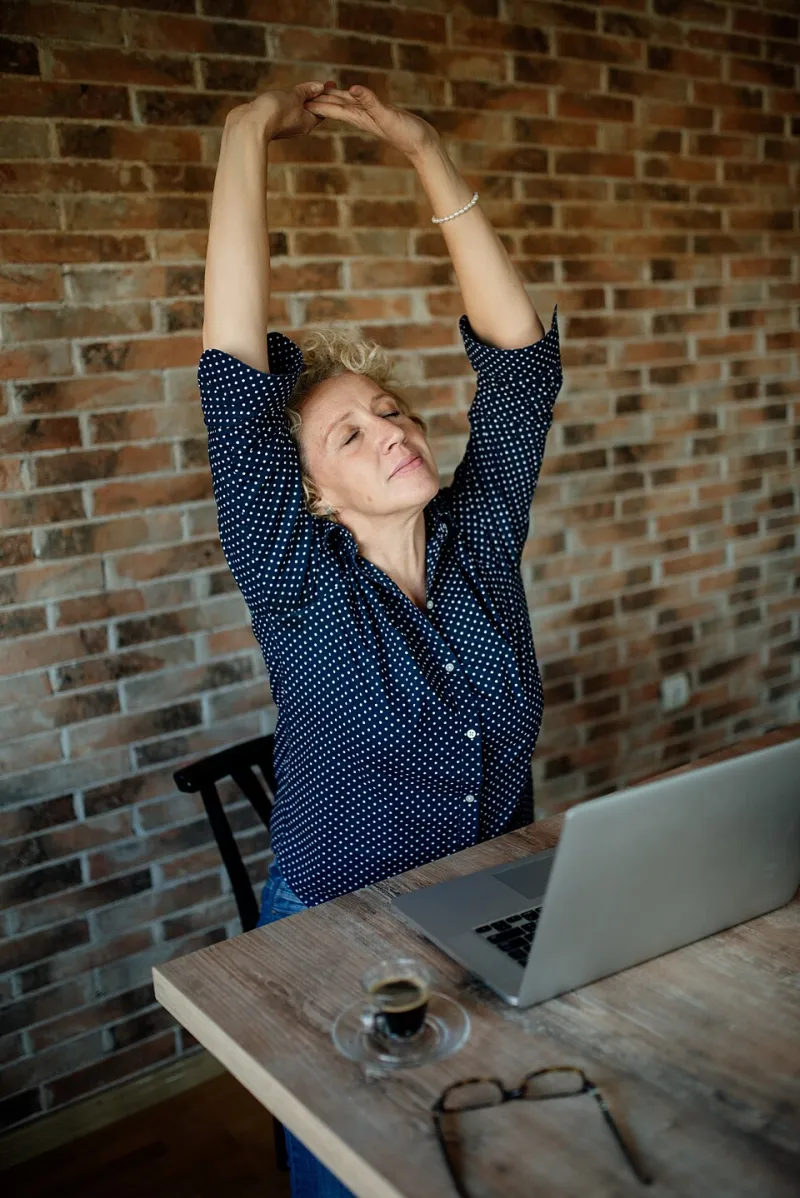
What Your Visual Identity Says Before You Even Say Hello

Photo by Photo by Vitaly Gariev on Unsplash on Unsplash
Here's a truth that took me a while to fully sit with: people form an impression of you in seconds. Not from your carefully crafted about page. Not from your credentials or your client list. From the look of things. The colors, the fonts, the way your Instagram grid feels when someone scrolls it for the first time. Before a single word registers, the visual story has already begun.
And yet, so many creative professionals spend enormous energy on their messaging — their mission statement, their brand voice, their bio — while letting their visual identity happen almost by accident. A logo chosen because it was affordable. A color palette borrowed from a trend. A website template that felt "close enough." The result is a brand that talks about one thing and looks like something else entirely.
That disconnect? Audiences feel it, even when they can't name it.
Why the Eyes Have It
There's actual psychology behind why visual coherence builds trust. Our brains are wired to look for consistency as a signal of reliability. When what we see matches what we hear — when a designer who talks about minimalism has a clean, spacious website, or when a bold, outspoken creator shows up in striking, unconventional fashion choices — something clicks. It feels true.
Conversely, when a wellness coach's social feed is chaotic and overstimulating, or a luxury brand uses blurry iPhone photos, the mismatch creates cognitive friction. People don't always consciously register the disconnect, but they feel a subtle unease. They hesitate. They scroll past.
This is why your visual identity isn't a decorative afterthought. It's the first layer of credibility you either build or erode.
The Difference Between Intentional and Curated
There's a word that's become a little exhausted in the branding world: curated. Everyone's aesthetic is curated. But intentional? That's rarer and more valuable.
Curated often means assembled — pulling together what looks good, what's trending, what performed well. Intentional means rooted. It means your visual choices trace back to something real about who you are and what you actually make or do.
Think about it this way. If someone who had never met you looked at your website, your social media, and your wardrobe choices side by side, would they get a consistent story? Or would they see three different people?
The goal isn't rigid uniformity. It's coherence. A thread that runs through everything, even when the contexts differ.
Doing Your Own Visual Audit
This is the part where things get honest. A visual audit is exactly what it sounds like — a deliberate look at everything you're putting out visually and asking whether it actually reflects your values and your work.
Here's a simple way to start:
Pull everything together. Screenshot your website homepage, your three most recent social posts, your email newsletter header, and a photo of an outfit you wear professionally or publicly. Lay them side by side — literally, on a mood board or just in a folder.
Ask the hard questions. What feeling does this collection give off? Is that the feeling you want people to associate with you? What story is being told about who you are and what you value? Does it match your actual messaging?
Look for the outliers. Usually, there's one platform or one element that feels off — where you've been inconsistent or where you defaulted to something convenient rather than something true. That's your starting point for refinement.
Trace it back to values. If you say you value accessibility, does your design actually feel approachable? If you talk about creativity and risk-taking, does your visual identity play it safe? The goal is alignment, not perfection.
Fashion Is Part of the Brand, Too
This one's easy to overlook, especially if you spend most of your time behind a screen. But how you show up physically — at events, in headshots, in video content — is absolutely part of your visual identity.
You don't have to have a "signature look" in some rigid, performative way. But it's worth thinking about whether your personal style choices feel consistent with the rest of your brand. A creative director who talks about pushing boundaries but always defaults to the safest, most conventional outfit in the room is sending a mixed signal. Not a fatal one, but a noticeable one.
This doesn't mean dressing for your brand like it's a costume. It means letting your actual style sensibility — the things you're genuinely drawn to — show up more consciously in how you present yourself.
When Your Aesthetic Evolves
Here's the part nobody talks about enough: your visual identity is allowed to grow. In fact, it should. The problem isn't evolution — it's evolution without intention.
When your work shifts, when your values deepen or clarify, when you move into a new chapter professionally, your visual presence should reflect that. The key is making those changes deliberately rather than reactively. Chasing a new aesthetic because it's performing well for someone else is very different from updating your visual identity because you've genuinely grown into something new.
The most trusted creative brands — the ones with real staying power — don't look frozen in time. But they also don't look like they're constantly trying on someone else's clothes. They look like themselves, just more fully realized over time.
The Takeaway
Your bio can be beautiful. Your mission statement can be airtight. But if your visual identity is telling a different story, that's the story people will believe.
Take the time to look at what you're actually putting out there — all of it, together — and ask yourself whether it feels true. Not perfect. Not trendy. True. That's the standard worth chasing, and it's one that will serve you far longer than any algorithm-approved aesthetic ever could.